

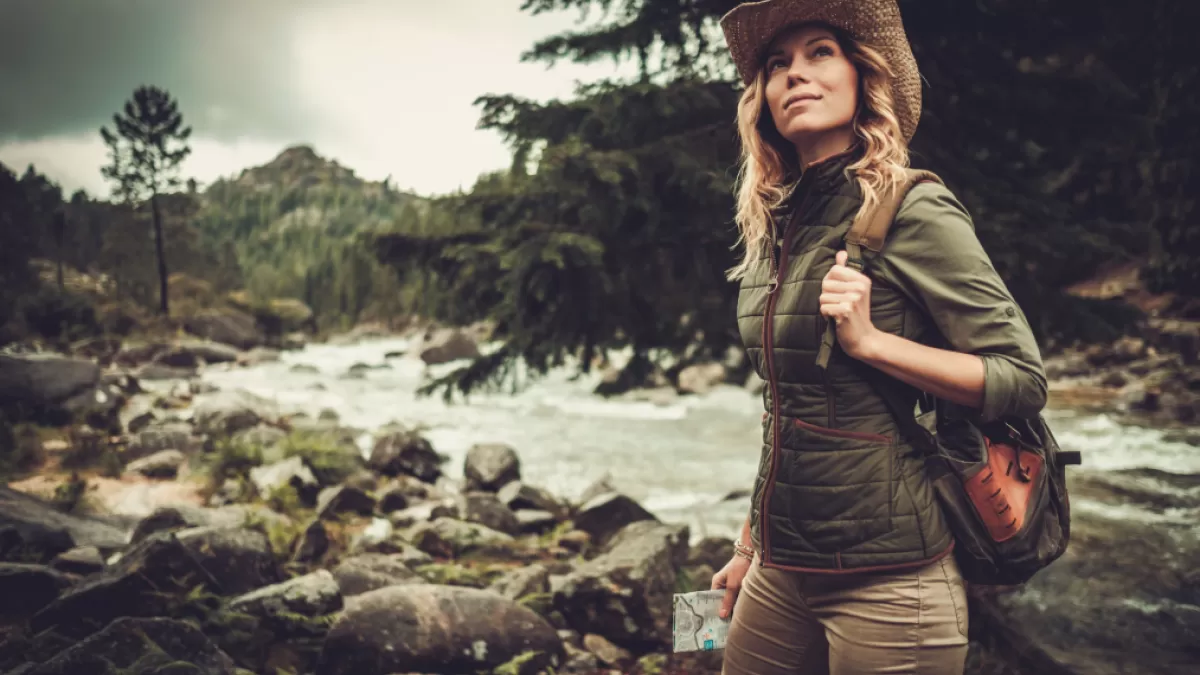
Adventure is often described as a break from routine, but its impact reaches far deeper than recreational excitement. In a world shaped by constant change, individuals increasingly seek experiences that challenge their limits, deepen self awareness, and redefine comfort. The concept of Adventure sits at the center of this search because it represents far more than travel or risk. It is a mindset and a structured approach to exploring the unknown.
People pursue Adventure for different reasons. Some want to reconnect with nature, others want a physical challenge, and many seek mental renewal that comes from stepping outside predictable patterns. Whatever the motivation, meaningful adventure experiences can shape confidence, stimulate creativity, and offer a sense of fulfillment that daily life often struggles to provide.
The Psychology Behind Choosing Adventure
Adventure has a strong psychological foundation. When individuals take on challenging or unfamiliar experiences, the brain responds with heightened focus, emotional engagement, and a renewed connection to purpose.
How Adventure Shapes Mental Resilience
Exposure to new environments encourages the development of coping mechanisms that strengthen emotional stability. Adventure based challenges create opportunities to:
-
Manage uncertainty with calm decision making
-
Reframe obstacles as growth opportunities
-
Build confidence through small, repeated successes
-
Strengthen awareness by evaluating surroundings more intentionally
This kind of resilience often carries over into professional and personal life, improving adaptability and stress management.
Cognitive Benefits of Experiential Exploration
Adventure activates multiple cognitive mechanisms that enhance mental sharpness. Studies on experiential learning show that problem solving becomes more dynamic when the brain engages with unpredictable tasks. This can lead to:
-
Improved memory formation due to immersive environments
-
Stronger creative thinking when encountering diverse situations
-
Better attention control thanks to continuous stimulation
-
A heightened sense of presence that reduces mental fatigue
Over time, these benefits contribute to enhanced productivity and an improved capacity to navigate daily responsibilities.
Types of Adventure Experiences for Different Interests
Outdoor and Nature Based Adventures
Outdoor exploration remains one of the most powerful ways to engage with both physical and emotional challenges. Nature based adventures often revolve around activities that test endurance while fostering an appreciation for natural environments.
Popular options include:
-
Mountain trekking and long distance hiking
-
Kayaking through rivers or coastal routes
-
Rock climbing that requires technical skill
-
Wilderness camping that demands self reliance
-
Cross country cycling in rugged locations
Participants often report improved mental clarity, increased physical stamina, and a deeper sense of connection with the natural world.
Urban Adventures for Cultural and Intellectual Growth
Not all adventure requires remote landscapes. Many individuals find equal satisfaction in exploring unfamiliar cities, neighborhoods, local markets, and cultural centers.
Urban adventure encourages:
-
Engagement with diverse communities
-
Discovery of regional arts, music, and food traditions
-
Problem solving through navigation and adaptation
-
Spontaneous interactions that broaden perspective
This type of exploration appeals to individuals who prefer intellectual stimulation over physical challenge. It allows for meaningful experiences without requiring extensive travel or equipment.
Skill Based Adventures That Promote Lifelong Learning
Skill centered adventure experiences focus on learning something new through immersive practice rather than passive instruction.
Examples include:
-
Mastering advanced cooking techniques in regional workshops
-
Taking part in wildlife tracking or survival training
-
Learning to sail or operate outdoor equipment
-
Participating in craftsmanship activities like pottery or metalwork
-
Joining conservation programs where hands on work supports local ecosystems
Skill based adventures strengthen determination and provide practical abilities that enrich everyday life.
High Intensity Physical Adventures
High intensity adventures appeal to individuals who thrive on controlled risk and physical achievement. These activities require preparation, discipline, and a strong understanding of personal limits.
They may include:
-
Long distance trail running
-
Scuba diving in open water environments
-
Competitive climbing routes
-
Ski touring in demanding terrains
-
Multi day cycling expeditions
Participants often emphasize the sense of accomplishment and self discovery gained from pushing physical boundaries.
Key Factors That Shape a Meaningful Adventure Experience
Personal Readiness and Risk Assessment
Every adventure requires an honest understanding of personal capabilities. This includes evaluating physical stamina, mental readiness, and overall comfort with uncertainty.
Important considerations include:
-
Current fitness level
-
Physical restrictions or health conditions
-
Experience with similar activities
-
Comfort with unfamiliar environments
-
Decision making ability under pressure
Identifying these factors ensures that the chosen experience remains safe and fulfilling.
Planning and Preparation Strategies
Though adventure may appear spontaneous, the most rewarding experiences come from thoughtful preparation. Strong planning enhances both safety and enjoyment.
Preparation may involve:
-
Researching the environment, climate, and terrain
-
Securing proper gear and equipment
-
Reviewing route maps and local guidelines
-
Building endurance for physically demanding activities
-
Consulting experienced individuals or local guides
-
Packing essentials such as hydration supplies, first aid items, and protective clothing
A well planned adventure allows participants to stay present and fully engaged, rather than overwhelmed.
Understanding Environmental Ethics
Respect for landscapes and communities is essential. Responsible adventure requires mindfulness not only for personal safety, but also for the surroundings.
Core principles include:
-
Minimizing waste and leaving no trace
-
Supporting local businesses and artisans
-
Respecting wildlife and natural habitats
-
Following established trails and guidelines
-
Avoiding overcrowded areas when possible
-
Practicing cultural sensitivity
Environmental ethics ensure that future explorers can enjoy the same beauty and integrity of the location.
Embracing the Learning Process
Adventure is often unpredictable. Weather changes, logistics shift, and personal expectations evolve.
Successful participants adopt a mindset that embraces:
-
Flexibility when plans need modification
-
Curiosity about new environments
-
Patience with challenges or delays
-
Openness to unexpected discoveries
-
Gratitude for personal growth regardless of outcome
This approach enriches the entire experience and helps build long term fulfillment.
How Adventure Influences Personal Identity
Strengthening Self Awareness
Adventurous experiences often reveal aspects of personality that daily life keeps hidden. Facing new challenges highlights:
-
Natural strengths
-
Personal fears and limiting beliefs
-
Decision making habits
-
Preferred ways of interacting with others
-
Hidden interests or dormant passions
This self knowledge can guide future goals, relationships, and lifestyle decisions.
Building Social Connections Through Shared Challenges
Adventure creates powerful social bonds. When individuals navigate challenges together, they develop trust, vulnerability, and respect.
Group based exploration may support:
-
Improved communication skills
-
Stronger collaborative problem solving
-
Lifelong friendships formed through shared experiences
-
Enhanced empathy for different backgrounds and viewpoints
These relationships often become memorable parts of the overall adventure.
Expanding Worldview and Cultural Appreciation
International and regional adventures invite participants to engage with new languages, customs, and traditions. This exposure builds cultural intelligence and reduces bias.
Individuals often return home with:
-
Broader perspectives
-
Increased tolerance
-
Greater respect for global diversity
-
A deeper understanding of local issues in visited regions
These insights can shape personal values and future travel choices.
Practical Tips for Designing a Meaningful Adventure
Align Adventure Goals with Personal Intentions
Clarifying the purpose behind the adventure helps shape the experience.
Questions to consider:
-
Do I want physical challenge or mental refreshment
-
Am I seeking solitude or connection
-
What skills do I want to develop
-
What fears or limitations do I want to confront
Clear intentions create a more focused and meaningful journey.
Start With Manageable Steps
Adventures do not always need to be extreme. Starting with smaller challenges builds confidence.
Begin with:
-
Day trips or overnight excursions
-
Local trails or lesser known parks
-
Skill workshops in nearby communities
-
Low risk physical activities that prepare the body
Gradual progression prepares individuals for more ambitious plans later.
Document the Experience for Long Term Reflection
Journaling, photography, sketching, or voice notes help preserve insights gained during the adventure.
These reflections can highlight:
-
Lessons learned
-
Moments of personal growth
-
Skills acquired
-
Changes in perspective
-
Future goals inspired by the experience
Documenting helps transform the adventure into lasting impact.
FAQ
How can someone identify the right type of adventure for their personality
It helps to evaluate comfort levels with physical challenge, exposure to unfamiliar environments, and tolerance for unexpected changes. Those who prefer structure may enjoy guided or skill based experiences, while individuals who thrive on discovery may prefer self planned outdoor or cultural adventures.
What should beginners avoid when planning an adventure
Beginners should avoid selecting activities far beyond their current capabilities, ignoring local regulations, or relying solely on digital maps without carrying backups. Overpacking, assuming perfect weather conditions, and failing to communicate plans to a trusted contact are also common mistakes.
How can adventure relieve mental fatigue
Adventure stimulates new sensory inputs, removes individuals from repetitive routines, and encourages full attention on the present moment. This break from familiar patterns often reduces stress hormones and supports mental renewal.
Is solo adventure safe for first timers
Solo adventure can be safe when properly planned, but first timers should begin with well mapped routes, populated areas, and activities that match their experience level. Sharing itineraries with someone and checking in regularly can increase security.
What equipment is essential for outdoor adventure
Essentials may include moisture resistant clothing, supportive footwear, hydration systems, navigation tools, a compact first aid kit, weather appropriate gear, and energy sustaining snacks. The exact equipment depends on climate, distance, and duration.
If you want, I can create a version tailored for outdoor athletes, urban explorers, students, remote workers, or travelers seeking long term experiential growth.
