

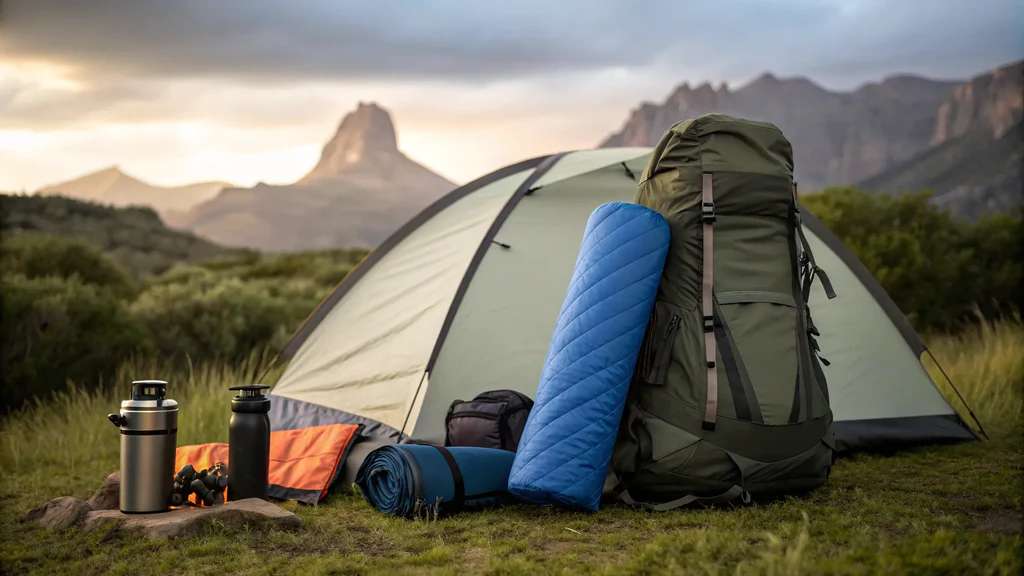
Camping has become far more than a weekend getaway. For many people, it represents a purposeful shift toward slower living, deeper awareness, and a meaningful connection with the natural world. Individuals who choose Camping often discover that time outdoors helps restore mental clarity, encourages physical movement, and builds practical self sufficient skills that daily life rarely requires. Within the first moments of arriving at a campsite, the pace of life naturally changes. Simple tasks like setting up shelter, organizing gear, and preparing a fire allow the mind to focus on what truly matters.
As more people turn to outdoor adventures to reconnect with nature, Camping continues to stand out as one of the most effective ways to challenge routine and explore environments in a more immersive way. It invites a level of presence that technology driven spaces cannot offer, and it rewards curiosity through hands on experiences that shape both confidence and resilience.
Understanding the Deeper Purpose of Camping
Many individuals associate camping with leisure, but its benefits go far beyond relaxation. It supports physical health, mental grounding, and educational exploration. The structure of a camping trip encourages independence, problem solving, and a renewed appreciation for the natural world.
Why Camping Offers More Than Recreation
Camping encourages people to practice essential outdoor skills that often translate into daily confidence. Navigating unfamiliar areas, organizing supplies, and adapting to changing weather patterns all reinforce a sense of capability. The environment challenges individuals to:
- Think critically under pressure
- Develop resourceful solutions with limited tools
- Coexist with unpredictable outdoor elements
- Strengthen stamina and mobility through natural movement
- Grow comfortable with simplicity and minimalism
This shift helps people slow down and focus on intentional actions rather than constant multitasking.
Mental and Emotional Benefits of Outdoor Living
Nature plays a significant role in emotional regulation. Spending extended time outdoors supports mental wellness in several ways:
- Reduced overstimulation from noise and digital clutter
- Lower stress due to increased oxygen and sensory balance
- Enhanced mood from natural light exposure
- Stronger focus through reduced distractions
- Improved sleep cycles thanks to natural circadian rhythm cues
By removing the constant demands of technology and replacing them with natural rhythms, camping allows the mind to recalibrate.
Different Types of Camping for Distinct Experiences
Traditional Tent Camping
Tent camping remains one of the most immersive experiences because it places individuals directly in natural surroundings. This method encourages rugged adaptability and a close relationship with the environment.
Key advantages include:
- Full control over campsite layout
- Lightweight packing flexibility
- Easy compatibility with remote trails
- Strong sensory connection to nighttime sounds and fresh air
Tent camping also invites skill development such as knot tying, shelter setup, and fire building.
Car Camping for Comfortable Convenience
Car camping blends comfort with exploration. Individuals can bring heavier supplies, cook more elaborate meals, and store gear safely overnight.
Benefits include:
- Less intense packing requirements
- Greater storage for food, tools, and clothing
- Safer retreat during harsh weather
- Easier accommodation for families or beginner campers
This method allows people to enjoy nature without sacrificing comfort.
Backpacking for Endurance and Self Reliance
Backpacking requires carrying all supplies on foot, which emphasizes physical endurance and strategic packing. It suits individuals who seek challenge and remote landscapes.
Backpacking encourages:
- Efficient gear organization
- Long distance navigation skills
- Awareness of terrain and weather conditions
- Mastery of lightweight cooking and shelter systems
It also supports deep immersion in nature due to prolonged exposure to remote trails.
Winter Camping for Advanced Skill Building
Winter environments add complexity and require greater preparedness. This style appeals to experienced campers who enjoy cold weather challenges.
Important considerations:
- Understanding snowpack safety
- Layering clothing effectively
- Managing heat loss through proper shelter insulation
- Preparing high calorie meals for warmth
- Navigating limited daylight hours
Though demanding, winter camping offers unmatched tranquility and scenic beauty.
Group Camping for Shared Experiences
Shared camping encourages bonding, teamwork, and collaboration. It is common among families, organizations, and friend groups seeking connection.
Group camping supports:
- Cooperative meal preparation
- Shared responsibilities like fire tending and cleanup
- Social interaction around a communal fire
- Collective safety and navigation
This style creates lasting memories through shared challenges and accomplishments.
Essential Factors to Evaluate Before a Camping Trip
Location and Environmental Conditions
Choosing the right environment determines the success and safety of the entire trip. Considerations may include:
- Weather patterns at the destination
- Wildlife activity in the area
- Terrain type, such as mountains, forests, deserts, or coastal regions
- Accessibility of water sources
- Regulations related to fires or camp placement
Selecting an appropriate location ensures that campers are fully prepared for the expected conditions.
Physical Fitness and Experience Level
The demands of camping vary based on the type of trip. Understanding personal limits helps prevent exhaustion or injuries.
Questions to assess:
- How far can I hike comfortably with gear
- Do I have experience with steep terrains or uneven surfaces
- Can I manage weather fluctuations
- Am I comfortable navigating unfamiliar trails
Matching physical preparedness with the environment produces a safer and more enjoyable trip.
Gear, Tools, and Personal Equipment
Quality gear enhances safety and comfort. Essentials often include:
- A durable tent with proper ventilation
- Ground insulation through pads or mats
- A temperature rated sleeping bag
- Cooking equipment suitable for outdoor use
- Weather appropriate clothing layers
- Navigation tools such as maps or compasses
- Headlamps or lanterns for nighttime visibility
Proper gear supports both efficiency and security during the trip.
Food Planning and Hydration
Nutrition becomes particularly important due to increased energy expenditure.
Effective meal planning includes:
- Calorie dense foods like nuts, grains, dried fruits, and pasta
- Hydration strategies based on temperature and activity level
- Water purification methods for remote areas
- Lightweight cooking tools for easy preparation
- Meals with balanced protein, carbohydrates, and fats
A thoughtful nutrition plan prevents fatigue and supports overall endurance.
Safety and Environmental Responsibility
Responsible camping preserves natural landscapes and protects wildlife. Key principles include:
- Proper waste disposal
- Respecting quiet hours and wildlife habits
- Using designated fire rings when possible
- Minimizing damage to vegetation
- Packing out all trash and leftover food
- Using environmentally friendly products
These actions maintain the integrity of outdoor spaces for future visitors.
Advanced Skills That Enhance the Camping Experience
Fire Management and Safe Techniques
Building a safe and sustainable fire requires knowledge of materials, airflow, and safety procedures.
Skilled campers learn:
- How to identify dry tinder and kindling
- Ways to maintain fire without excessive smoke
- Proper extinguishing methods to prevent accidents
- Fire safety in windy or dry vegetation areas
The fire becomes a central element of warmth, cooking, and social gathering.
Navigating Terrain With Confidence
Accurate navigation increases independence and safety.
Navigation skills include:
- Understanding topographic maps
- Using a compass effectively
- Recognizing natural landmarks
- Reading trail markers in different environments
- Evaluating safe route options in uneven terrain
Knowledge of navigation prevents common risks associated with getting lost.
Weather Awareness and Adaptation
Weather changes quickly in outdoor environments, especially at higher elevations.
Campers should understand:
- How to identify incoming storms through cloud movement
- The difference between dry cold and damp cold
- How wind patterns affect tent stability
- When to adjust travel plans based on temperature fluctuations
Predicting weather patterns enhances preparedness and safety.
Building Self Sufficiency and Problem Solving Skills
Camping naturally presents unexpected situations. Developing adaptable responses helps maintain confidence.
Problem solving examples include:
- Repairing torn gear using limited tools
- Adjusting shelter setups in high wind
- Responding to wildlife encounters with calm control
- Rearranging travel routes when terrain becomes unsafe
These skills improve with experience and reflection.
Practical Tips for a Well Organized Camping Trip
Create a Detailed Packing List
A strategic checklist prevents common oversights.
Important items include:
- Clothing layers for sudden temperature changes
- Weatherproof outerwear
- Multi use tools like pocket knives
- Emergency supplies such as whistles or blankets
- Extra fuel and water containers
A solid list supports efficiency.
Test Gear Before Leaving Home
Practicing tent setup, lighting equipment, and cooking tools ensures everything works correctly. This reduces frustration on site and speeds up camp preparation.
Plan for Extra Time in the Schedule
Unexpected delays often occur due to terrain, weather, or group dynamics. Building in cushion time allows for a relaxed and safe experience.
Prepare for Nighttime Challenges
Night camping introduces unique conditions such as limited visibility and lower temperatures. Good lighting, warm layers, and secure food storage are essential. Reliable illumination is paramount for safety and efficiency after dusk, allowing campers to navigate trails, set up gear, or prepare meals without fumbling. Modern headlamps, in particular, offer hands-free convenience, powerful beams, and extended battery life, making them indispensable for any nighttime activity. Features like multiple brightness settings, red light options for preserving night vision, and durable, waterproof construction are crucial for adapting to various outdoor scenarios. Exploring high-performance options like Fenix Headlamps ensures that adventurers have dependable light sources, enhancing both safety and the overall enjoyment of their nocturnal explorations.
FAQ
How can I choose the best campsite location within a designated area
Look for flat ground away from low spots where water collects. Aim for areas with natural wind protection, avoid camping under unstable branches, and choose a site where foot traffic and wildlife trails are minimal.
What should I do if the weather changes suddenly during a camping trip
Secure your shelter, keep essential gear inside the tent, and put on insulating layers. If heavy storms approach, stay away from large isolated trees and elevated exposed areas. Evaluate whether relocation is necessary for safety.
How can I make camping meals more enjoyable without heavy equipment
Use compact pans, pre cut ingredients, and seasoning packets. Foil packet meals cook well on coals, and dehydrated foods become flavorful with boiling water. Preparing ingredients at home reduces cooking time on site.
What is the safest way to store food during camping
Use sealed containers and keep food at least one hundred feet away from the sleeping area. Store items in elevated hanging bags or designated storage boxes to prevent wildlife attraction.
How can I keep gear dry during rain
Use waterproof sacks for clothing, cover backpacks with rain shields, and create a small tarp shelter to protect gear while setting up camp. Keeping items elevated above ground prevents moisture buildup.
If you would like, I can create additional content focused on car camping, family friendly trips, winter camping safety, or a full gear checklist tailored to your experience level.
