

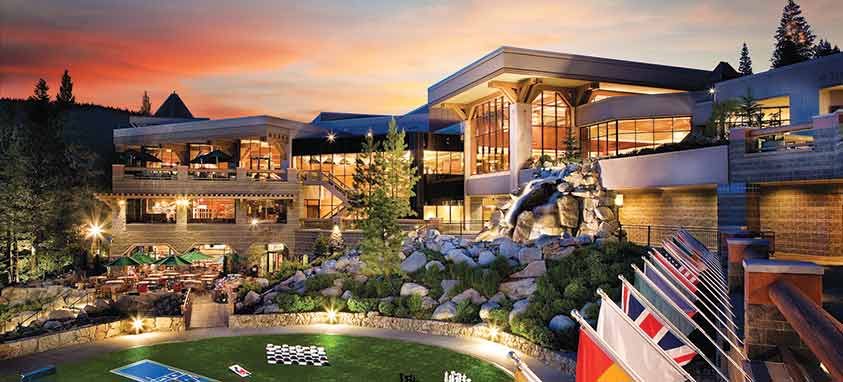
Accommodation is one of the most influential factors shaping comfort, productivity, lifestyle, and long-term well-being. In an era defined by shifting work patterns, evolving travel habits, and increasingly diverse housing needs, travelers and residents alike are thinking carefully about where and how they stay. Whether someone is relocating for career growth, seeking a temporary home during travel, or planning a long-term living arrangement, the details of accommodation can significantly affect daily experiences. Many people evaluate Accommodation early in their planning because it directly impacts budgets, routines, and overall satisfaction.
How Accommodation Shapes Modern Living
The landscape of living and lodging options has expanded over the past decade. Today, people no longer look for a space to sleep alone; they search for environments that help them work, unwind, connect, and grow. This shift is driven by several factors: rising mobility, remote work adoption, increased travel flexibility, and consumer expectations for more personalized spaces.
People expect accommodation to deliver more than basic utilities. They want comfort that feels intuitive, amenities that support lifestyle choices, and options that reflect the rhythm of their day. Many individuals now weave their living space into their identity, choosing locations and layouts that complement how they socialize, create, exercise, or recharge.
Types of Accommodation for Different Needs
Short Term Living Spaces
Short term options are commonly selected by travelers, remote workers, families on vacation, and people between moves. These environments often focus on convenience, accessibility, and quick comfort.
Key characteristics include:
-
Flexible booking options
-
Furnished interiors
-
Easy check in and check out processes
-
Proximity to transit, dining, or entertainment hubs
-
Practical amenities such as WiFi, kitchenette access, and workspace areas
Short term stays are popular because they reduce friction. Rather than committing to a long-term lease, individuals enjoy the freedom to move easily while maintaining a sense of homelike structure.
Long Term Housing Arrangements
Long term accommodation prioritizes stability, consistency, and community. These settings support daily routines and aim to offer reliable comfort.
Common features include:
-
Clear lease terms that guide financial expectations
-
Residential amenities such as laundry rooms, shared outdoor areas, or fitness rooms
-
Neighborhood familiarity and community interaction
-
Personalization options for interior design and layout
People choose long term living when they want roots. It supports predictable schedules, local relationships, and a sense of place.
Shared Living Spaces
Shared environments appeal to students, young professionals, digital nomads, and budget-conscious renters. The appeal lies in affordability, community, and shared responsibilities.
Advantages of shared living include:
-
Lower monthly costs
-
Social interaction and built-in community
-
Shared household duties
-
Access to larger or more centrally located properties
Shared spaces encourage social engagement, which often reduces feelings of isolation and supports collaborative living.
Specialized Accommodation for Unique Lifestyles
Some individuals require or prefer unique housing environments aligned with specific routines or needs.
Examples include:
-
Wellness-focused communities that prioritize fitness and natural surroundings
-
Housing with pet-friendly features for animal owners
-
Accessible properties designed for mobility needs
-
Artist-focused spaces with studios and creative zones
-
Eco-friendly residences built with sustainability in mind
These specialized options reflect the growing demand for housing that aligns with personal identity and lifestyle values.
Key Factors to Consider When Evaluating Accommodation
Location and Accessibility
Location remains one of the most important criteria. The right area can support productivity, reduce commute times, and shape overall lifestyle satisfaction.
Important considerations include:
-
Distance to workplaces, schools, and essential services
-
Nearby public transportation options
-
Access to grocery stores and healthcare
-
Noise levels and community culture
-
Safety ratings and neighborhood reputation
People often weigh convenience against cost. Being closer to central areas may increase expenses but reduce transportation time and stress.
Budget and Financial Planning
Affordability is crucial, but budgeting should go beyond monthly rent or nightly rates. Hidden expenses can quickly add up.
Potential cost factors:
-
Utilities such as electricity, heating, and water
-
Internet and technology services
-
Parking fees
-
Move in costs such as security deposits
-
Maintenance charges or cleaning fees
-
Local taxes or short term rental surcharges
A clear understanding of the full financial picture allows individuals to choose accommodation that supports long-term stability rather than short-term convenience alone.
Amenities and Comfort Features
Amenities often define modern living quality. Many people prioritize spaces that support work, wellness, and relaxation.
Common preferences include:
-
High-speed internet for remote work
-
Kitchen appliances for home cooking
-
Comfortable furniture and ergonomic seating
-
In unit laundry or accessible facilities
-
Outdoor spaces such as balconies or shared gardens
-
Fitness rooms or wellness facilities
-
Secure entrances and reliable building management
Amenities transform accommodation into a personal sanctuary where responsibilities and recreation can coexist smoothly.
Space, Design, and Layout
The layout determines how functional and comfortable a living space feels. A well-designed interior can boost creativity, reduce stress, and support healthier routines.
Factors to evaluate:
-
Natural lighting and ventilation
-
Room size relative to daily activities
-
Storage availability
-
Flexibility for rearranging furniture
-
Noise insulation and privacy
Even small spaces can feel spacious when designed well. Conversely, large areas can feel cramped if the layout lacks flow.
Safety and Security Measures
Safety strongly influences emotional comfort. Living in a secure environment helps residents relax and settle into routines without constant concern.
Security considerations include:
-
Well-lit entrances and hallways
-
Functional locks on windows and doors
-
Secure parking or bike storage spaces
-
Fire safety systems and emergency exits
-
Verified building management and maintenance responsiveness
Reliable safety builds trust and supports mental well-being.
Long Term Adaptability
Good accommodation can adapt as needs change over time. People consider whether the space can continue to serve them if their lifestyle shifts.
Examples of evolving needs:
-
Remote work requiring a designated office area
-
Growing families requiring additional rooms
-
Changing health needs that require accessibility features
-
New hobbies that require space for storage or creative activities
Adaptable spaces reduce the need to relocate frequently.
The Impact of Technology in Modern Accommodation
Technology has reshaped expectations for living spaces. Many residents now seek environments that integrate digital convenience into everyday life.
Examples of technology-driven improvements:
-
Smart locks that allow mobile check in
-
Automation for lights, heating, and cooling
-
High-speed internet optimized for remote work
-
App based maintenance requests
-
Enhanced energy efficiency powered by smart home systems
These advances help residents customize their daily environment while reducing energy waste and improving building management.
How Accommodation Influences Mental and Physical Well Being
The connection between living space and personal well-being is well established. A comfortable environment can enhance sleep, reduce stress, and increase productivity.
Influential aspects include:
-
Cleanliness and air quality
-
Natural light exposure
-
Access to outdoor areas
-
Quiet surroundings for rest
-
Organized spaces that reduce clutter
-
Temperature control for comfort
Accommodation that supports physical and emotional health becomes more than a shelter. It acts as a foundation for balanced living.
Practical Tips for Choosing the Right Accommodation
Define Personal Priorities
Before evaluating options, individuals should identify what matters most based on their lifestyle.
Consider questions such as:
-
How important is proximity to work or school
-
Do I need a workspace at home
-
What level of social interaction do I prefer
-
How much storage space do I realistically need
These answers guide decision-making and reduce overwhelm.
Conduct Thorough Property Inspections
Even if photos appear attractive, viewing a space in person reveals important details.
During inspections, check for:
-
Water pressure and plumbing quality
-
Signs of mold or dampness
-
Natural lighting at different times of day
-
Noise from neighbors or streets
-
Overall cleanliness and building upkeep
Taking notes during visits helps compare properties effectively.
Review Contracts Carefully
Lease agreements or short stay terms outline expectations and responsibilities, so clarity is essential.
Read closely for:
-
Termination policies
-
Guest rules
-
Maintenance responsibilities
-
Payment timelines
-
Refund conditions for deposits
Understanding these details prevents future misunderstandings.
Consider Future Flexibility
The ideal accommodation can accommodate growth or lifestyle adjustments.
Ask whether:
-
Lease extensions are possible
-
Room configurations can be rearranged
-
Amenities will remain adequate if routines shift
Planning ahead helps ensure long-term satisfaction.
FAQ
How early should I start searching for accommodation before a move
Beginning the search at least one to two months in advance is ideal for most long-term rentals. For short-term stays, availability varies widely, so starting a few weeks before travel can secure better options.
What are red flags to look for during a property inspection
Red flags include frequent maintenance issues, inadequate lighting in common areas, inconsistent building management communication, persistent odors, mold spots, poorly sealed windows, and unclear contract terms.
Are furnished properties better for short term stays
Furnished properties often work well for short term living because they eliminate the need to purchase essential household items. However, individuals should still confirm appliance quality and assess whether the layout meets their personal needs.
How can I reduce accommodation costs without sacrificing comfort
Consider shared living arrangements, look slightly outside major city centers, choose properties with essential amenities only, negotiate lease terms when possible, and avoid peak travel seasons for short stays.
What amenities matter most for remote workers
Reliable high-speed internet, comfortable seating, a quiet workspace, strong cell reception, and adequate lighting are essential for remote workers who plan to spend extended hours inside the accommodation.
If you’d like, I can refine this article further, expand specific sections, or create versions tailored to particular audiences such as travelers, expatriates, or long-term renters.
