

Choosing where to live while studying is one of the biggest practical decisions a student will make. Your accommodation can affect your budget, commute, social life, independence and even how comfortable you feel settling into university life.
While university halls remain a popular choice, they are far from the only option. In fact, Halls of residence is just one of many types of student accommodation available. Depending on your priorities, you could choose university-managed halls, private student halls, a shared student house, a privately rented flat or studio, or even remain at home and commute.
There is no single type of student accommodation that works for everyone. A first-year student hoping to meet new people may have completely different priorities from a postgraduate student looking for peace, privacy and somewhere suitable for focused study. Understanding the advantages and potential drawbacks of each option makes it much easier to choose accommodation that fits your lifestyle and finances.
University Halls of Residence
University-managed halls are often the first type of accommodation students consider, particularly when moving away from home for the first time.
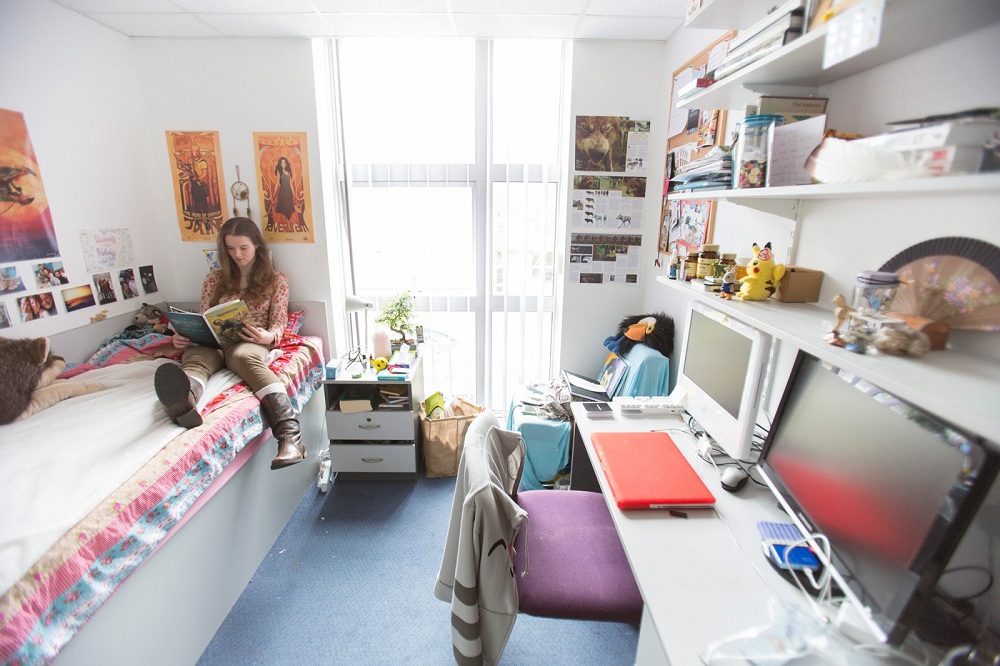
Halls usually consist of individual bedrooms arranged around shared kitchens and communal spaces. Some properties offer en-suite bathrooms, while more affordable options may have shared bathroom facilities. Studio accommodation may also be available at certain universities.
One of the biggest benefits of halls is convenience. Accommodation is commonly located on or close to campus, reducing travel time and making it easier to access libraries, lectures, student unions, sports facilities and other university services.
Living in halls can also make the transition into university life easier. You are surrounded by other students going through many of the same experiences, which can create plenty of opportunities to meet people and establish a social network.
Utility costs are also commonly bundled into the accommodation price, although students should always check exactly what is included before accepting a room.
There can, however, be compromises. The downside to living on campus is that you don’t usually get to choose who you’re housed with. You may also find yourself living alongside people with very different routines, personalities and attitudes towards noise or cleanliness.
For students who value privacy and quiet surroundings, halls may therefore require some adjustment.
Private Student Halls
Private student halls offer a similar style of living to university-managed accommodation but are operated by independent accommodation providers.
These developments have become a significant part of student housing in many university towns and cities. They may offer shared flats, en-suite rooms and self-contained studios, often alongside communal spaces such as study rooms, lounges, gyms, laundry areas or social spaces.
Private halls can be particularly useful for students who cannot secure university accommodation or who want more choice over location, room type and facilities.
They may also house students from several universities, creating a broader social environment.
The additional facilities can come at a price, however. Premium rooms and centrally located developments may cost considerably more than basic university accommodation or shared houses. Before booking, compare the total cost rather than focusing only on the weekly rent.
Check whether electricity, heating, water, broadband and other services are included. You should also read the cancellation terms, payment schedule and tenancy conditions carefully.
Finding these properties is often much harder in major cities where demand is very high. For example, many people struggle to secure affordable London Student Accomodation because spaces fill up quickly before the term starts. It is common for students to look for shared housing options that include bills in the rent to keep costs down. This type of setup helps you manage your money without unexpected bills at the end of the month. It also gives you a safe place to live while you study.
Shared Private Student Houses and Flats
Another popular option is renting a house or flat with other students through a private landlord or letting agent.
Your other option for student-specific accommodation is private accommodation run through private landlords and lettings agents. Instead of living in a large hall with dozens or hundreds of residents, you may share a house with a smaller group of friends or other students.
This option is particularly common among students who have already completed their first stage of university life and have found people they would like to live with.
A shared house can provide greater independence than halls. Students can choose where they live, who they share with and, within the terms of the tenancy, how they organise their household.
However, greater independence also means greater responsibility.
Depending on the property, tenants may need to arrange and budget separately for electricity, gas, water, broadband and other household expenses. Some landlords offer bills-inclusive student accommodation, which can make budgeting simpler.
Before committing to a shared property, it is important to understand whether each tenant has an individual agreement or whether everyone is jointly responsible under one tenancy. Students should read the agreement carefully rather than assuming all student rental contracts work in the same way.
Renting a Private Flat or Studio
Students who value privacy may prefer to rent a studio or one-bedroom flat.
Living independently means you do not need to compromise over cleaning schedules, visitors, shared kitchens, noise or other common sources of tension in shared accommodation. It can be particularly attractive to postgraduate students, mature students and anyone who prefers a quieter environment.
The main disadvantage is usually cost.
Instead of dividing rent and household expenses between several people, you may be responsible for most or all of them yourself. Private flats may also require additional budgeting for broadband, electricity, heating and other services that might be included in student halls.
Before choosing this option, calculate the complete monthly cost rather than simply comparing advertised rent.
Living at Home and Commuting
Moving away from home is not compulsory.
Students who already live within a reasonable distance of their university may choose to remain with family and commute to campus. This can substantially reduce accommodation expenses and may allow students to avoid some of the financial pressure associated with renting.
There are trade-offs to consider.
A longer commute can make early lectures, late study sessions and evening social events less convenient. Students living at home may need to make more effort to participate in university activities and build relationships outside their classes.
For some people, however, the financial savings and familiar environment make commuting an excellent option.
What Should You Look for in Student Accommodation?
Regardless of which type of accommodation you prefer, avoid choosing a property based on photographs and rent alone.
Consider the practical details that will affect everyday life:
- Total rent and which household bills are included
- Distance from your campus and typical transport costs
- Security, maintenance arrangements and property condition
- Contract length, deposit requirements and payment terms
- Access to shops, transport, healthcare and other essential services
When renting privately, make sure you understand the tenancy or licence before paying money. Rental rules and tenant protections differ across England, Scotland, Wales and Northern Ireland, so check the requirements that apply where you will be studying.
Where possible, view the accommodation personally or arrange a reliable virtual viewing. Be cautious about sending deposits or large payments before confirming that the landlord, letting agent or accommodation provider is legitimate.
Budget for the Total Cost, Not Just the Rent
Student accommodation costs extend beyond the advertised weekly or monthly price.
Ask whether your rent includes heating, electricity, water, broadband or other services. If bills are separate, consider how seasonal energy use could affect your monthly spending.
You may also need money for a deposit, moving expenses, travel, laundry, household supplies and basic items for your bedroom or kitchen.
Students comparing accommodation should therefore calculate an estimated monthly total for each property. A room with slightly higher rent but inclusive bills and a convenient location could ultimately be better value than cheaper accommodation requiring additional transport and utility costs.
Book Early, but Do Not Rush Your Decision
Accommodation in popular university locations can be competitive, particularly for affordable rooms and properties close to campus.
Starting your search early gives you more choice, but pressure to secure accommodation should never prevent you from checking the details properly.
Read the contract, understand what you are paying for and investigate the location before committing. If you are unsure about an agreement, your university accommodation service or student support team may be able to provide guidance.
It is also worth speaking with current students about particular areas. They can often provide useful insight into transport links, nightlife, supermarkets, noise levels and what living in a neighbourhood is actually like.
Which Type of Student Accommodation Is Best?
The best student accommodation depends on your personal priorities.
University halls can be ideal for students who want convenience and a strong social environment. Private student halls may suit those looking for additional facilities or greater choice. Shared houses can provide independence while allowing costs to be divided between several people, while studios and private flats offer greater privacy.
Living at home can also be a practical alternative when commuting is manageable.
Rather than choosing accommodation because it appears to be the traditional student option, think about how you actually want to live. Consider your budget, preferred level of privacy, commute, study habits and social expectations.
A property that supports your everyday routine and remains comfortably within your budget is far more valuable than accommodation chosen simply because everyone else seems to be living there.
With careful research, realistic budgeting and a thorough check of the accommodation agreement, you can find a living arrangement that gives you a comfortable base throughout your studies.
